Men’s hands have long been a powerful symbol in both art and various forms of labor. They represent not just physical strength, but also creativity, craftsmanship, and a deep cultural significance that transcends generations. From ancient sculptures to contemporary art, the depiction of hands has always been a focal point, revealing much about societal values, gender roles, and the human experience. In this article, we delve into the diverse representations of men’s hands in art and work, exploring their meanings and implications.
The Symbolism of Hands in Art
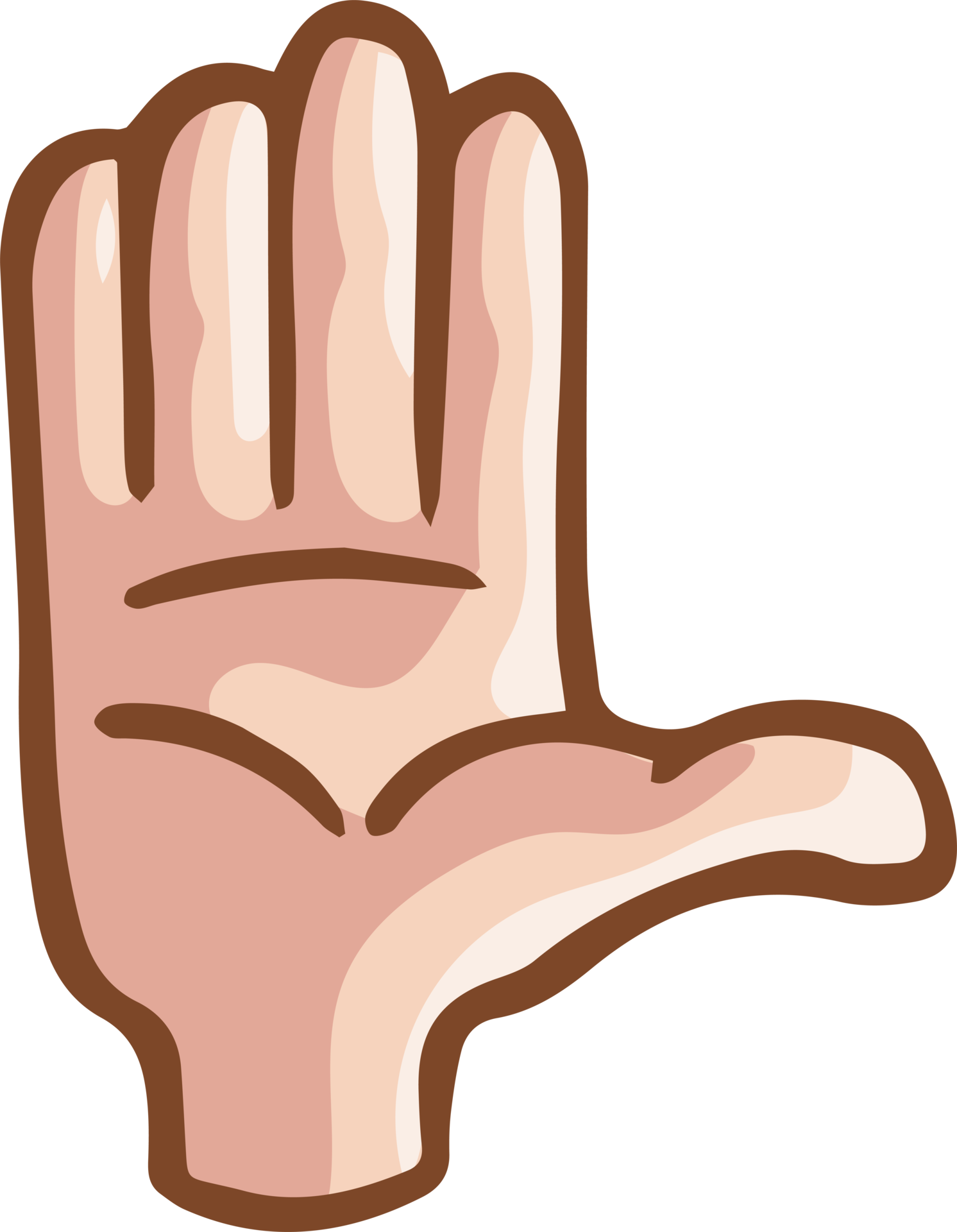
In many cultures, hands serve as an extension of one’s identity and capabilities. Artistic representations often capture the essence of what it means to be human. For instance, in Renaissance art, the hands of men are frequently depicted as strong and capable, symbolizing authority and power. Artists like Michelangelo and Leonardo da Vinci paid meticulous attention to the anatomy of hands, showcasing their ability to create and shape the world around them.
Moreover, hands can express a wide range of emotions. A gentle touch can convey love and care, while a clenched fist might signal defiance or struggle. In contemporary art, the exploration of men’s hands can highlight themes of vulnerability, masculinity, and the often-overlooked emotional landscape that exists beneath the surface. This complexity adds depth to the understanding of male identity in various cultural contexts.
Hands in Traditional and Modern Work

In the realm of labor, men’s hands are emblematic of hard work and dedication. From craftsmen to laborers, hands have been the tools of trade, shaping not only materials but also societal structures. Historically, industries such as construction, manufacturing, and agriculture have relied heavily on the physical labor of men, whose hands bear the marks of their toil.
In modern times, the significance of men’s hands in work has evolved. While physical labor remains important, there is now a greater emphasis on skill-based professions. Men’s hands are not just seen as a means to an end but also as instruments of creativity and innovation. The rise of technology has transformed traditional roles, introducing new forms of craftsmanship that require precision and finesse. This shift invites a reevaluation of how we perceive men’s work and the hands that perform it.
Artistic Interpretations of Men’s Hands

Artists from various movements have portrayed men’s hands in diverse ways, often reflecting the socio-political landscapes of their time. For example, the Impressionists like Claude Monet depicted hands in natural settings, emphasizing the connection between human beings and nature. This approach highlighted a more intimate relationship with the environment, contrasting with the more industrialized views of masculinity in earlier art forms.
In contrast, contemporary artists often challenge conventional representations of masculinity. By presenting men’s hands in vulnerable or abstract ways, they provoke discussions about gender norms and identity. The deconstruction of traditional masculinity through art encourages viewers to question their perceptions of strength and fragility, power and sensitivity. This dialogue is crucial as society continues to evolve, allowing for broader interpretations of what it means to be a man today.
Choosing Wallpaper with Symbolic Elements
When selecting wallpaper that resonates with the cultural significance of men’s hands, it’s essential to consider the themes you wish to convey. Patterns that incorporate elements of craftsmanship—such as textures that mimic wood grain or artistic depictions of tools—can reflect the hardworking nature of men’s hands. These designs not only enhance the aesthetic of a room but also serve as a conversation starter about the values associated with labor and creativity.
Color also plays a vital role in setting the mood of a space. Earthy tones like browns and greens can evoke a sense of stability and connection to nature, while bolder colors like deep reds or blues might signify strength and confidence. When choosing wallpaper for different platforms, consider how these colors and patterns will translate across desktop, mobile, and tablet views. A cohesive design will create a harmonious environment, whether in a home office or a creative studio.
Incorporating Cultural Themes into Design
Incorporating the cultural significance of men’s hands into your design can go beyond wallpaper. Consider adding artwork that features hands in various forms—paintings, sculptures, or photographs. This can transform a space into a gallery that not only showcases aesthetic appeal but also engages viewers on a deeper level. By curating a collection that highlights the importance of hands in art and labor, you create a narrative that celebrates craftsmanship and creativity.
Additionally, think about how furniture and accessories can complement your wallpaper choice. Selecting pieces that reflect the same themes—such as handmade items or those crafted from natural materials—can strengthen the overall design concept. This thoughtful approach to decor not only beautifies a space but also instills it with meaning and intention.
Inspiration for Visual Design
Exploring the significance of men’s hands in art and work opens up a myriad of possibilities for visual design. Draw inspiration from various art movements, cultural practices, and contemporary interpretations to create a distinctive aesthetic. Whether you’re designing for a personal project or a professional space, understanding the deeper meanings behind these representations can enhance your creative process.
In conclusion, the exploration of men’s hands in art and work offers profound insights into cultural values and identity. By reflecting on these themes in your design choices, you can create spaces that are not only visually appealing but also rich in significance. Celebrate the artistry and craftsmanship inherent in men’s hands through thoughtful decor and design, and invite conversations that honor the labor and creativity of men throughout history.