The evolution of the selfie has transformed the way we document our lives and express our identities. Once confined to traditional self-portraits painted by artists, the concept of self-representation has taken on a new life with the advent of smartphones and social media. In today’s digital culture, selfies are more than just casual snapshots; they are a significant part of our personal storytelling. This article delves into the transformative journey of selfies, examining their impact on our lives and how they reflect our evolving identities.
The Rise of the Selfie Culture

In the early 2000s, the term ‘selfie’ began to emerge, coinciding with the introduction of front-facing cameras on smartphones. This technological advancement made it easier for individuals to capture their own images, leading to a surge in popularity. Social media platforms like Instagram, Snapchat, and Facebook provided the perfect outlets for sharing these self-portraits, which quickly evolved from simple pictures to curated expressions of personal style and creativity.
As selfies became a cultural phenomenon, they also started to reflect broader societal trends. The rise of influencer culture, selfie challenges, and even the emergence of selfie sticks further cemented the selfie’s place in modern life. People began to embrace selfies not just as a means of documentation but also as a form of art and self-expression. This shift has significant implications for how we perceive ourselves and how we wish to be seen by others.
Selfies as a Form of Art

While selfies are often looked at as casual or spontaneous, they can also be a sophisticated form of art. Many photographers and artists have embraced the medium, experimenting with composition, lighting, and editing techniques to create visually striking images. Selfies can convey emotions, tell stories, and even challenge societal norms regarding beauty and self-image.
Artistic selfies often incorporate various elements such as unique backgrounds, creative angles, and thoughtful styling. Individuals are now using their selfies to explore themes of identity, culture, and personal experience. By playing with visual aesthetics, selfies can transcend their initial purpose and offer deeper insights into the person behind the lens.
The Psychological Impact of Selfies
The act of taking and sharing selfies has psychological implications as well. For some, selfies serve as a boost to self-esteem, providing positive reinforcement through likes and comments on social media. However, this validation can be a double-edged sword. The pressure to present a perfect image can lead to feelings of inadequacy or anxiety when comparing oneself to others.
Moreover, the phenomenon of ‘selfie dysmorphia’ has emerged, where individuals develop a distorted perception of their own appearance due to the idealized images they see online. This underscores the importance of fostering a healthy relationship with our self-portraits and being mindful of the impact social media can have on our mental health.
Choosing the Perfect Background for Your Selfies
The background of your selfie can significantly enhance its overall aesthetic. Whether you are shooting against a vibrant mural, a serene landscape, or a minimalist setting, the right backdrop can elevate your self-portrait. Here are some tips for selecting the perfect background:
- Consider the Mood: Different backgrounds evoke various emotions. A colorful street can convey energy, while a natural setting can evoke calmness.
- Keep It Simple: Sometimes, less is more. A clean, uncluttered background can make you the focal point of the image.
- Match Your Outfit: Coordinate your background with your clothing to create a cohesive look. For example, if you are wearing bright colors, find a background that complements these tones.
Editing and Enhancing Your Selfies
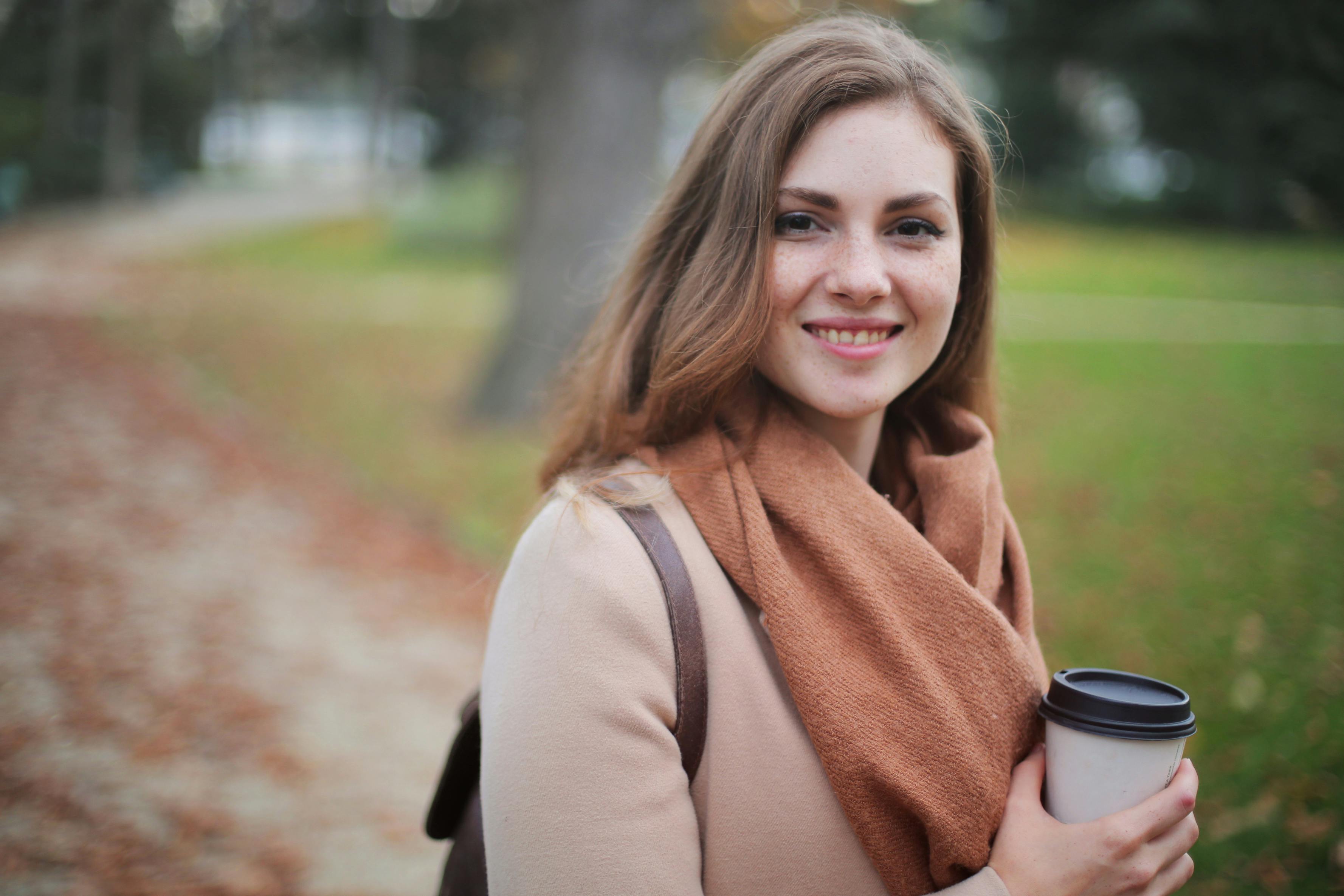
Once you’ve captured your selfie, editing can help you refine and enhance the image. There are numerous apps and software available that allow you to adjust brightness, contrast, and saturation. Additionally, filters can add a unique touch to your self-portraits, helping to create a certain mood or style.
However, it’s essential to strike a balance in editing. Over-editing can lead to unrealistic representations of oneself, which can perpetuate the cycle of self-doubt and comparison. Instead, aim for subtle enhancements that highlight your natural features.
Sharing and Engaging with Your Selfies

When it comes to sharing your selfies, consider your audience and the platform you choose. For instance, Instagram is known for its visual appeal, making it an excellent platform for showcasing your creative selfies. Engaging with your audience through captions and hashtags can also foster a sense of community and connection.
Additionally, consider the timing of your posts. Research shows that certain times of the day yield higher engagement rates. Posting when your audience is most active can lead to greater visibility and interaction.
The Future of Selfies
As technology continues to evolve, so will the art of the selfie. The introduction of augmented reality (AR) and advancements in camera technology will likely lead to new and exciting ways to capture and enhance our self-portraits. From virtual backgrounds to interactive filters, the possibilities are endless.
Moreover, the conversation around self-image and representation will continue to shape the selfie culture. As individuals increasingly seek authenticity and vulnerability, we may see a shift towards more candid and relatable self-portraits that reflect real life rather than curated perfection.
In conclusion, the evolution of the selfie is a fascinating reflection of our modern lives. It serves as a powerful tool for self-expression, documentation, and connection. As we navigate this digital landscape, understanding the impact of our self-portraits can empower us to embrace our identities and stories in a more meaningful way.