The world of art is a dynamic tableau where tradition and modernity often converge, creating unique narratives that reflect cultural histories and contemporary expressions. In the realm of Japanese nude portraits, this intersection is particularly fascinating. These works not only showcase the beauty of the human form but also serve as a lens through which we can explore Japanese culture, aesthetics, and the evolution of artistic expression. This article delves into the nuances of Japanese nude portraits, examining how traditional elements meld with modern artistic techniques, and how these works resonate across various platforms and mediums.
The Roots of Nude Portraiture in Japan

Japanese nude portraiture has deep historical roots that can be traced back to the ukiyo-e woodblock prints of the Edo period. Artists like Kitagawa Utamaro and Hokusai illustrated the beauty of the female form, often depicting women in intimate and serene settings. These works were not merely about nudity but celebrated femininity and the aesthetic of the body as a form of art.
As Japan transitioned into the Meiji era and beyond, Western influences began to permeate the art scene, leading to a fusion of traditional Japanese aesthetics with Western techniques. The introduction of photography further revolutionized the genre, allowing artists to capture the human body in ways that were both immediate and evocative. This historical context is essential in understanding the evolution of nude portraiture in Japan, where each era contributes layers of meaning and style to contemporary works.
Modern Interpretations and Artistic Approaches

In contemporary Japanese art, nude portraits have taken on new dimensions. Artists like Takashi Murakami and Yoshitomo Nara incorporate elements of pop culture, merging traditional themes with modern graphics and styles. This blending results in artworks that challenge viewers’ perceptions of beauty, sexuality, and identity.
Modern photographers and painters often seek to capture not just the physicality of the body but also the emotions and narratives that accompany it. The use of color, composition, and lighting plays a crucial role in this artistic expression. For instance, soft pastel tones may evoke a sense of calm and intimacy, while bold, vibrant colors can infuse energy and dynamism into the portrayal of the human form.
Colors and Tones: Setting the Mood

The color palette in Japanese nude portraits is particularly significant, as it often reflects the mood and themes the artist wishes to convey. Traditional palettes might include soft hues of pink, cream, and earthy tones, which resonate with the natural world and reflect a sense of tranquility. In contrast, modern interpretations may utilize vivid colors that capture the viewer’s attention and evoke strong emotional responses.
Choosing the right colors for a nude portrait can transform its impact dramatically. For artists and designers looking to create wallpaper or visual designs featuring these portraits, understanding the psychological effects of colors is vital. For example:
- Soft Pastels: Ideal for creating a serene, calming environment.
- Bold Colors: Great for adding energy and excitement to a space.
- Monochromatic Schemes: Effective for a minimalist approach that emphasizes form and texture.
Choosing and Integrating Wallpaper Designs
For individuals interested in incorporating Japanese nude portraits into their living spaces, selecting the right wallpaper can enhance the aesthetic of a room. Here are some tips to consider:
- Size and Scale: Larger portraits can serve as statement pieces, while smaller designs may work well in more intimate settings.
- Complementing Decor: Consider the existing color scheme and style of the room. Choose wallpapers that harmonize with furniture and other decorative elements.
- Theme Consistency: Whether aiming for a traditional Japanese feel or a modern pop-art vibe, maintaining a consistent theme throughout your space will create a cohesive look.
Inspiration from Nature and Culture
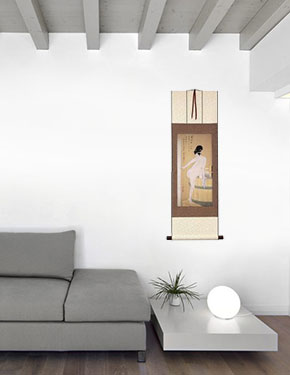
Another fascinating aspect of Japanese nude portraits is how they often draw inspiration from nature and cultural elements. Many contemporary artists incorporate traditional motifs such as cherry blossoms, waves, and landscapes into their works, creating a dialogue between the subject and its environment.
This natural integration not only beautifies the piece but also imbues it with a deeper cultural significance. For example, a portrait featuring a woman surrounded by cherry blossoms may symbolize transient beauty and the fleeting nature of life—concepts deeply embedded in Japanese culture.
Exploring Platforms for Visual Design
With the rise of digital media, exploring platforms for showcasing and integrating Japanese nude portraits has become easier than ever. Artists and designers can utilize social media, websites, and digital galleries to reach broader audiences. Each platform offers unique ways to display artwork, from high-resolution images on websites to immersive experiences in virtual galleries.
For those looking to use these portraits as wallpapers or backgrounds, platforms like desktop interfaces, mobile devices, and tablets provide various opportunities to incorporate art into everyday life. Consider the following:
- Desktop Wallpapers: High-resolution images that can serve as inspiring backdrops for workspaces.
- Mobile Wallpapers: Designs tailored for smaller screens that can bring art into daily routines.
- Tablet Backgrounds: Ideal for showcasing art in a more dynamic and interactive way.
In conclusion, the blend of tradition and modernity in Japanese nude portraits creates a rich tapestry of artistic expression that celebrates the beauty of the human form while reflecting cultural narratives. By understanding the historical context, artistic approaches, color significance, and practical applications, enthusiasts can appreciate and incorporate these stunning works into their lives.