The beauty of a clear blue sky, or “cielo despejado,” is a photographer’s paradise. It offers a vibrant backdrop to any photograph, enhancing landscapes, cityscapes, and portraits alike. Capturing the essence of a cielo despejado involves understanding lighting, composition, and the proper techniques to portray its expansive beauty. Whether you’re a seasoned photographer or a beginner looking to improve your skills, these tips will guide you in capturing breathtaking images of clear skies.
Understanding Cielo Despejado
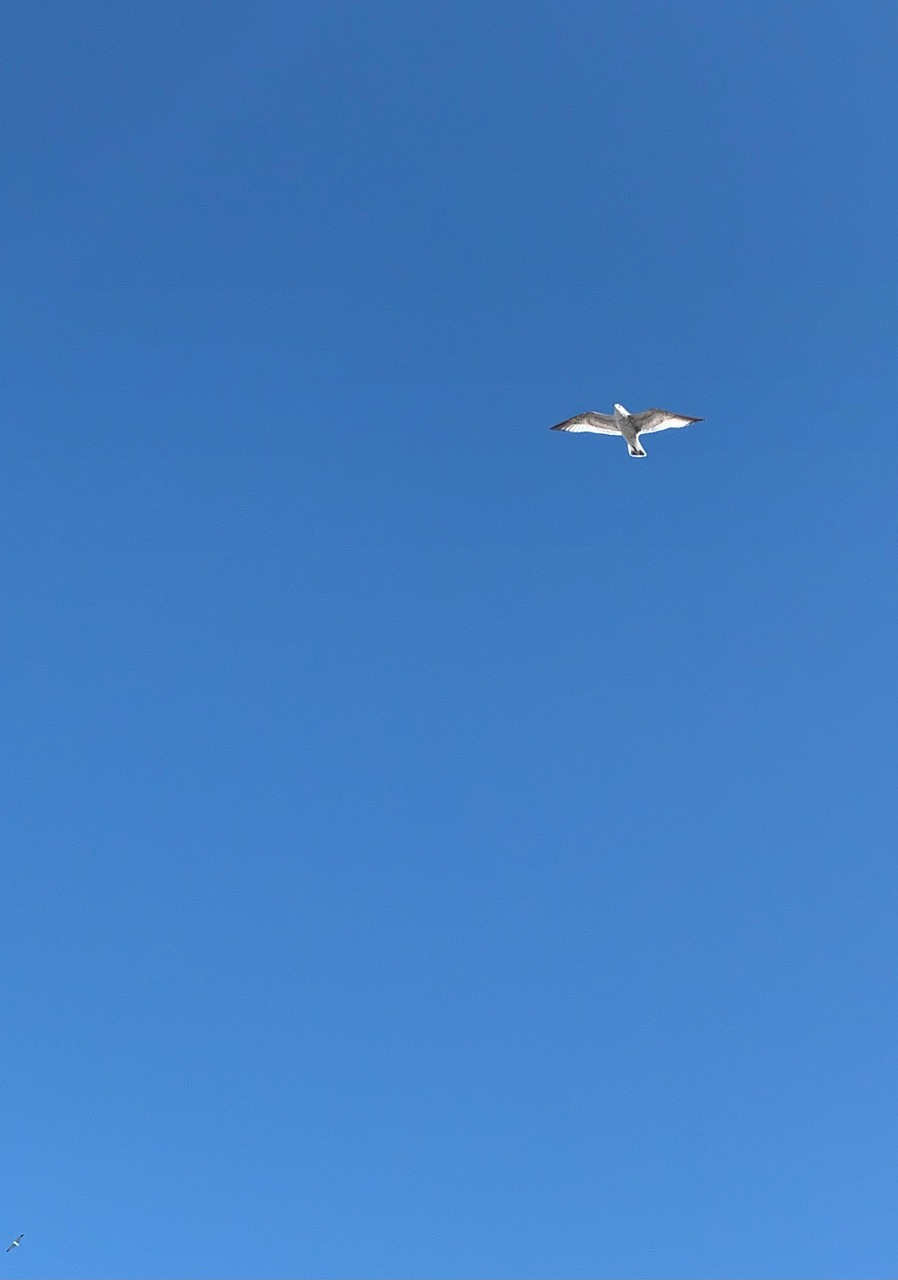
Cielo despejado refers to a sky that is free of clouds, allowing for an uninterrupted view of the sunlight. This phenomenon not only provides a stunning backdrop but also creates unique lighting conditions that can significantly affect your photos. The color of a clear sky ranges from a soft baby blue to a deep azure, especially during sunset or sunrise when the light can create gradients and rich hues. Knowing how to identify and utilize these variations can elevate your photography.
When photographing cielo despejado, consider the time of day. Early morning or late afternoon often provides the best light for capturing vibrant skies. The golden hour, just after sunrise or before sunset, creates softer shadows and warmer colors that can enhance the overall mood of your images. Midday, on the other hand, can produce harsh lighting that may wash out colors, so plan your shoots accordingly.
Camera Settings for Perfect Sky Photography

To effectively capture the beauty of cielo despejado, it’s crucial to use the right camera settings. Here are some fundamental tips:
- ISO Settings: Keep your ISO low, ideally at 100 or 200, to reduce noise and maintain image clarity. A clear sky deserves a crisp image!
- Aperture: Use a higher f-stop, like f/8 to f/16, to increase your depth of field. This ensures both your foreground and background are in focus, which is essential in landscape photography.
- Shutter Speed: Adjust your shutter speed based on lighting conditions. A faster shutter speed can help freeze motion in windy conditions, especially if you’re photographing elements like trees or grass.
Experiment with exposure compensation to brighten or darken your images, depending on the effect you wish to achieve. Don’t be afraid to take multiple shots with different settings to find the perfect combination.
Composition Techniques for Stunning Photos
While the sky is the star of the shot, the foreground plays a vital role in creating a balanced composition. Here are some techniques to consider:
- Rule of Thirds: Place key elements along the intersections of the grid lines to create a more dynamic composition. This technique often works well for landscapes, drawing the viewer’s eye naturally across the image.
- Leading Lines: Utilize natural lines such as roads, rivers, or paths to lead the viewer’s eye toward the horizon. This adds depth and perspective to your shots.
- Foreground Elements: Including interesting subjects in the foreground, such as trees, rocks, or flowers, can add context and make your images more engaging.
Experiment with different angles and perspectives to find unique compositions. Sometimes, moving just a few steps can drastically change the photo’s impact.
Editing for Enhanced Skies

After capturing your images, editing can help enhance the cielo despejado even further. Here are some tips for post-processing:
- Adjust Exposure: Brightening the sky can enhance its vibrancy. Be careful not to overexpose; maintaining detail in the highlights is crucial.
- Color Correction: Use editing software to adjust the vibrancy and saturation of the blues. Be mindful of maintaining a natural look that reflects what you experienced.
- Sharpening: Apply a slight sharpening effect to bring out the details in both the sky and foreground elements.
Editing can transform a good photo into a great one, so take your time to experiment with different adjustments.
Inspiration and Ideas for Cielo Despejado Photography
Seeking inspiration can help you discover new ways to capture cielo despejado. Here are some ideas:
- Landscapes: National parks, lakes, and mountainous areas often provide stunning views of the sky. Plan visits during optimal weather conditions for the clearest skies.
- Urban Scenarios: Cityscapes can look fantastic under a clear sky. Capture the juxtaposition of architecture against an expansive blue backdrop.
- Nature Shots: Focus on wildlife or flowers with the sky as a backdrop. This can create a sense of place and highlight the beauty of both subjects.
Don’t forget to engage with social media platforms for photography communities. Sharing your work can lead to valuable feedback and new ideas.
Gear Considerations for Sky Photography

The right equipment can make a significant difference in capturing the beauty of cielo despejado. While you don’t need the most expensive camera, certain features can enhance your photography:
- Wide-Angle Lens: A lens with a wider field of view can capture more of the sky and landscape, making it ideal for expansive shots.
- Polarizing Filter: This filter can reduce glare and enhance colors, particularly blues in the sky. It’s an excellent tool for landscape photographers.
- Tripod: For stability, especially in low-light conditions or long exposures, a sturdy tripod is essential.
Ultimately, your creativity and vision are the most important tools you possess. Equip yourself with the right gear, but don’t let it limit your exploration and expression.
By following these photography tips for capturing the perfect cielo despejado, you can create stunning images that celebrate the beauty of clear skies. Remember to experiment, be patient, and most importantly, have fun while exploring the photographic world around you.