Water reflection photography can transform ordinary water bodies into extraordinary visual narratives. Whether it’s the still surface of a lake reflecting majestic mountains or the playful ripples of a puddle capturing the vibrant cityscape, the possibilities are as vast as the water itself. This genre of photography not only emphasizes the beauty of the environment but also showcases the photographer’s creativity and perspective. In this article, we will explore innovative ideas and techniques to elevate your water reflection photography, ensuring your images stand out.
Understanding the Basics of Water Reflection Photography

Before diving into creative ideas, it’s essential to grasp the fundamentals of water reflection photography. Reflections occur when light bounces off the surface of water, creating a mirror-like effect. The quality of this reflection can depend on various factors, including:
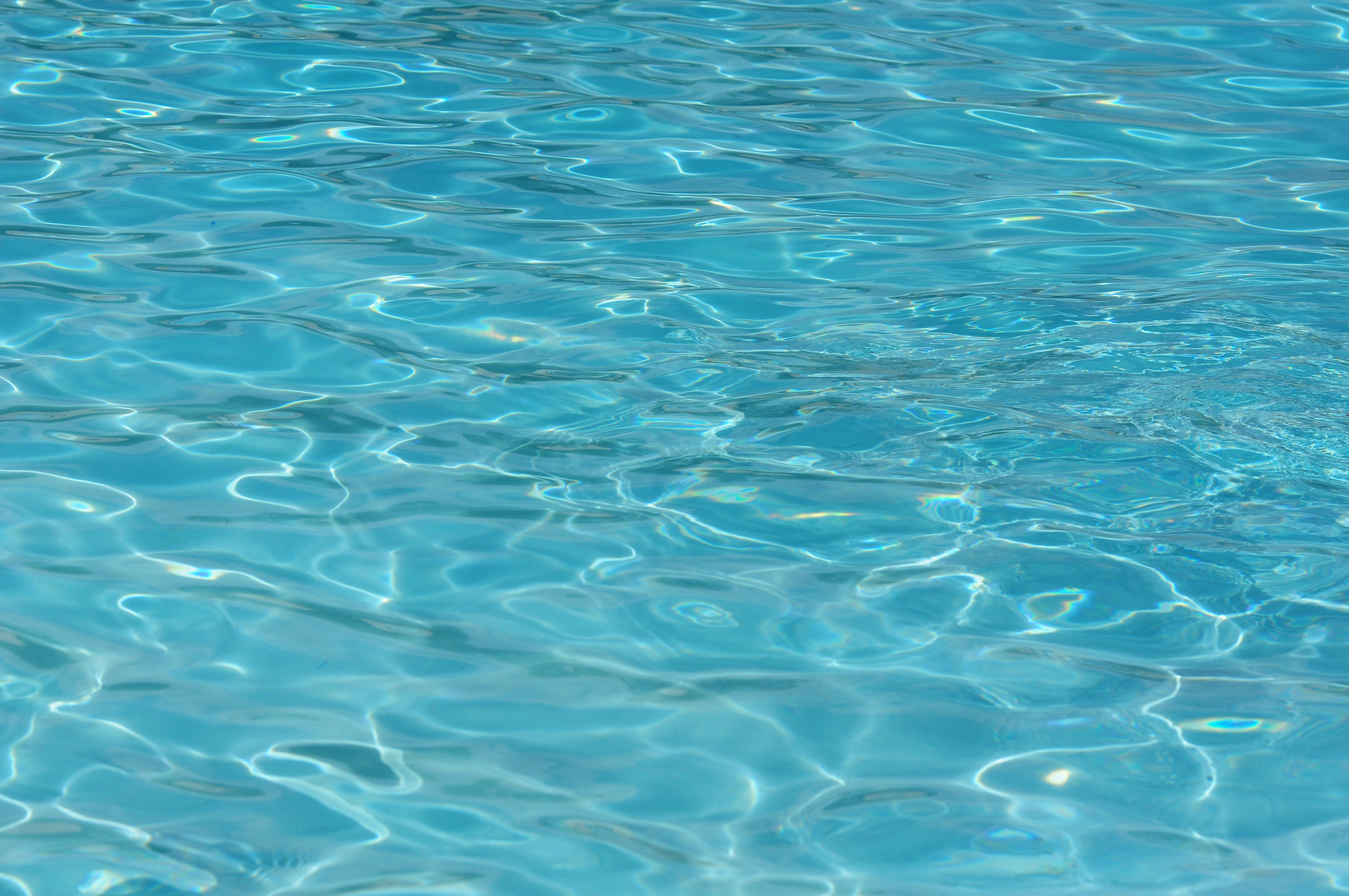
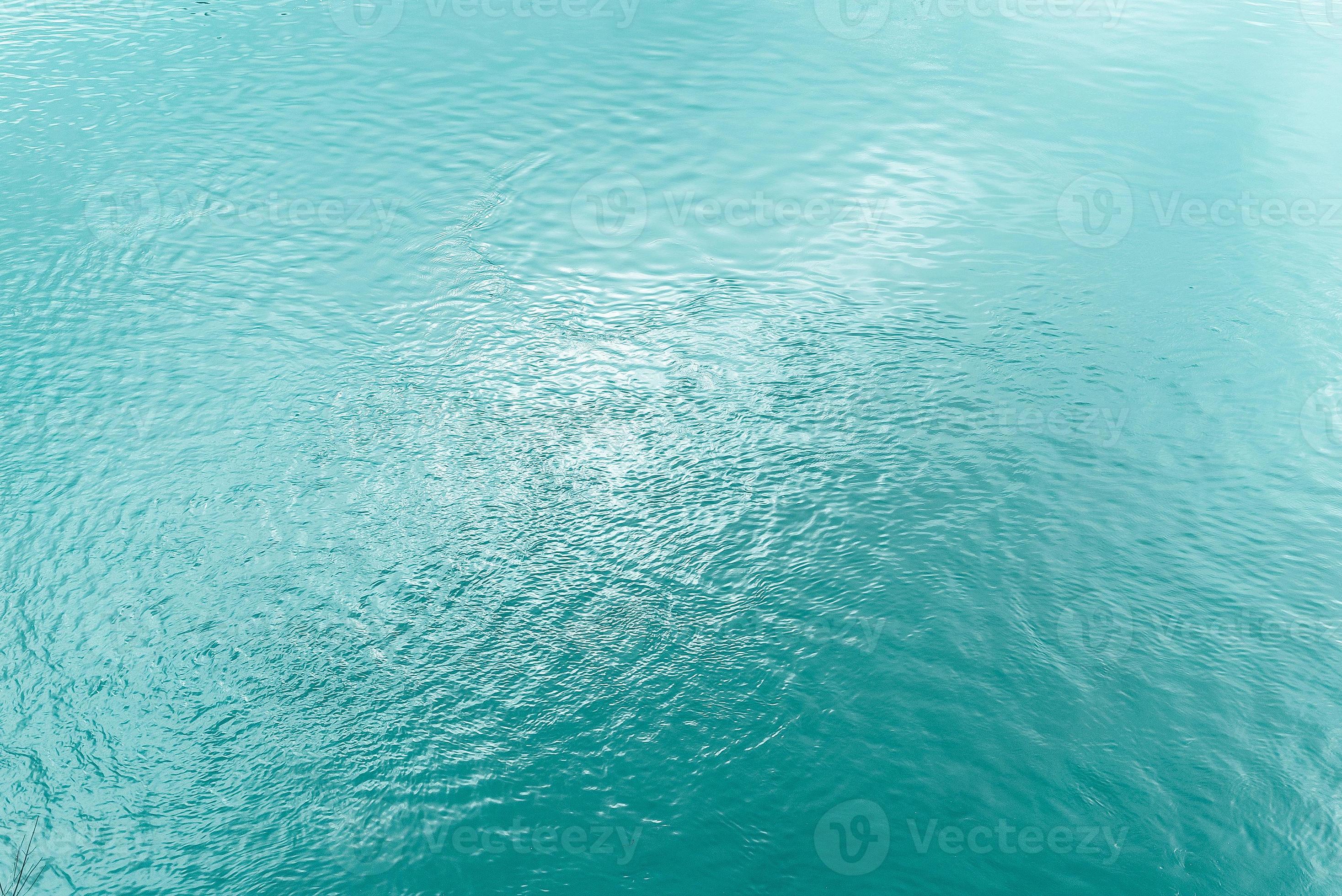
- Water Surface: Still water provides clearer reflections, while moving water creates abstract and distorted images.
- Lighting Conditions: Golden hour, shortly after sunrise or before sunset, offers soft light that enhances colors and contrast.
- Weather: Overcast days can produce softer shadows and a more muted color palette, whereas sunny days can enhance vibrancy.
Understanding these elements will help you choose the ideal conditions and settings for your photography.
Creative Ideas for Capturing Water Reflections
Now that you have a foundational understanding, let’s explore some creative approaches to water reflection photography.
- Lake Landscapes: Utilize tranquil lakes to capture stunning reflections of mountains or trees. Early mornings often yield the calmest waters, allowing for crisp, clear reflections. Experiment with different angles and compositions, such as including a foreground element to add depth.
- Puddles in Urban Environments: After rainfall, city streets can provide fantastic opportunities for puddle reflections. Look for puddles that reflect interesting architectural details, street signs, or vibrant colors from nearby buildings. Shoot from a low angle to emphasize the reflection and make the water the focal point.
- Creating Abstract Reflections: Don’t shy away from taking shots that emphasize distortion. Use ripples, waves, or even wind to create moving abstract patterns in the water. This technique can be particularly effective in rivers or oceans, where the reflections can transform dramatically with each wave.
- Incorporating Wildlife: Water bodies often attract birds and other wildlife. Capture reflections of these animals in the water to add interest and life to your images. Patience is key; wait for the perfect moment when the subject and reflection align beautifully.
Technical Tips for Stunning Water Reflection Photography
While creativity plays a significant role in water reflection photography, technical aspects cannot be overlooked. Here are some tips to ensure you get the best results:
- Use a Tripod: Stability is crucial for capturing clear reflections, especially in low light conditions. A tripod helps eliminate camera shake and allows for longer exposure times if needed.
- Adjust Your Exposure: Reflections can sometimes trick your camera’s metering system. Manually adjusting the exposure settings will help you avoid overexposed highlights or underexposed shadows.
- Focus on the Reflection: In many cases, the reflection can be more interesting than the subject itself. Use selective focus techniques to draw attention to the reflected image.
- Experiment with Composition: The rule of thirds often works well in reflection photography. Place the horizon line along the upper or lower third of the frame to create a balanced composition.
Post-Processing Techniques to Enhance Reflections
After capturing your images, post-processing can further enhance the beauty of your water reflections. Here are some techniques to consider:
- Adjusting Contrast and Clarity: Increasing contrast can help define the lines between the reflection and the water surface. Clarity adjustments can also help to bring out details in the reflected image.
- Color Grading: Experimenting with color grading can enhance the mood of your photographs. Warmer tones can create a serene atmosphere, while cooler tones can evoke a sense of tranquility.
- Removing Distractions: Use editing tools to remove unwanted elements within the frame that may detract from the main subject and its reflection.
Inspiration from Nature and Urban Settings
Finding inspiration is a crucial step in any creative endeavor. For water reflection photography, nature, and urban settings offer a plethora of opportunities. Consider visiting local parks, lakes, or rivers during different seasons to observe how reflections change with the environment. In urban areas, explore various locations after rainfall to discover new perspectives.
Additionally, social media platforms like Instagram and Pinterest can serve as excellent sources of inspiration. Follow photographers who specialize in reflection photography and keep an eye out for trends in composition and techniques.
Ultimately, water reflection photography is all about experimentation and creativity. Don’t hesitate to try new techniques and approaches, whether you’re capturing serene landscapes or bustling city scenes. Embrace the beauty of your surroundings and let your artistic vision flow through the water.