Japanese nude photography has long been a captivating and nuanced art form, reflecting cultural attitudes toward beauty, body, and sexuality. Over the decades, this genre has evolved, showcasing not only the female form but also the profound connection between the subject and the photographer. From the early 20th century to contemporary practices, the representation of nude women in Japanese photography tells a rich story of artistic innovation and societal change.
Early Influences and Traditional Aesthetics
In the early 1900s, Japanese photography began to embrace Western influences while still holding onto traditional aesthetics. One of the main pioneers of this movement was Yoshiyuki Moichiro, whose works often featured soft lighting and delicate poses that emphasized the beauty of the human body. His images were not merely about nudity; they celebrated femininity and grace.
This era was characterized by a blend of naturalism and idealism. Photographers used techniques like soft focus and staged settings to create an ethereal quality, often incorporating elements from nature—such as flowers and water—to enhance the visual narrative. This merging of the human form with natural elements set the groundwork for future explorations in Japanese nude photography.
The Post-War Era and the Rise of Modernism
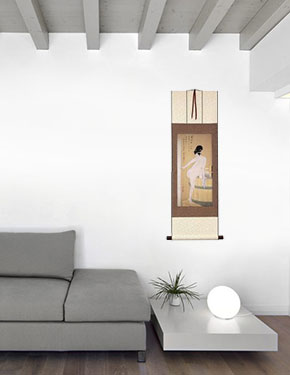
The 1950s and 1960s marked a significant turning point in Japanese photography. Artists like Shomei Tomatsu began to explore more experimental approaches, breaking away from the traditional soft aesthetics to embrace raw, candid expressions. Tomatsu’s work often confronted social issues and the complexities of identity in post-war Japan, bringing a new depth to the portrayal of the nude form.
During this time, the concept of eroticism also began to shift. The interplay of culture and modernity allowed photographers to experiment with nudity in more provocative ways, reflecting the changing attitudes towards sexuality in Japanese society. The emergence of magazines dedicated to nude art further fueled this exploration, providing a platform for photographers to showcase their work to a broader audience.
Contemporary Practices and Diverse Perspectives

In the late 20th and early 21st centuries, contemporary Japanese nude photography has taken on a plethora of styles and themes. Photographers like Rinko Kawauchi and Masahiro Usami are known for their innovative approaches that blend intimacy with storytelling. Their works often highlight the emotional landscapes of their subjects, capturing moments of vulnerability and strength.
Modern Japanese nude photography embraces diversity, showcasing a wide range of body types, ages, and ethnicities. This inclusivity reflects a broader societal acceptance of different forms of beauty, moving away from the traditional ideals that once dominated the genre. Today’s photographers frequently use digital platforms to share their art, allowing for a more democratized approach to beauty and representation.
Choosing the Right Aesthetic for Your Space
- Color Palette: Consider the colors that resonate with you. Traditional Japanese photography often employs muted tones and earthy colors, fostering a calm atmosphere. In contrast, contemporary works may feature bolder colors that evoke emotional responses.
- Style and Composition: Look for photographs that align with your personal taste. Whether you prefer soft, ethereal images or more striking, modern compositions, selecting pieces that speak to you will enhance the overall ambiance of your space.
- Size and Placement: Think about the scale of the artwork in relation to the room. Large prints can serve as focal points, while smaller pieces can be arranged in a gallery style. Placement is key; consider how the light interacts with the images and the flow of the room.
Creating a Harmonious Visual Experience

When integrating Japanese nude photography into your design, it’s crucial to create a harmonious visual experience. Here are a few design ideas:
- Mixing Media: Complement photographic art with other forms, such as paintings or sculptures, to create a layered effect. This can add depth and interest to your space.
- Use of Frames: The right frame can elevate a photograph. Consider minimalist frames that allow the artwork to stand out or ornate frames that add a touch of classic elegance.
- Lighting: Proper lighting can dramatically affect how photographs are perceived. Use soft, diffused lighting to create an inviting atmosphere, or accentuate certain pieces with focused lighting for dramatic effect.
Inspirations from Nature and Culture

Many Japanese photographers draw inspiration from their surroundings, blending elements of nature and culture into their works. This approach not only enhances the aesthetic appeal but also connects the viewer to a broader narrative. Incorporating natural elements in your decor, like plants or water features, can create a cohesive theme with the photographs.
In your search for Japanese nude photography, consider exploring the works of both established and emerging artists. This exploration can lead to discovering unique perspectives that resonate with your personal experiences and artistic sensibilities.
Japanese nude photography is more than just an art form; it is a reflection of cultural evolution, artistic expression, and the timeless beauty of the human body. By carefully selecting pieces that align with your aesthetic preferences, you can create a space that is not only visually stunning but also deeply meaningful.