Basketball has evolved significantly since its inception, with technology playing a crucial role in enhancing the game. From the design of the basketball itself to the shoes players wear and the gear they use, the science behind basketball equipment is a fascinating blend of innovation and athletics. In this article, we will explore the various aspects of basketball equipment and the technology that drives performance and safety in the sport.
The Evolution of Basketballs
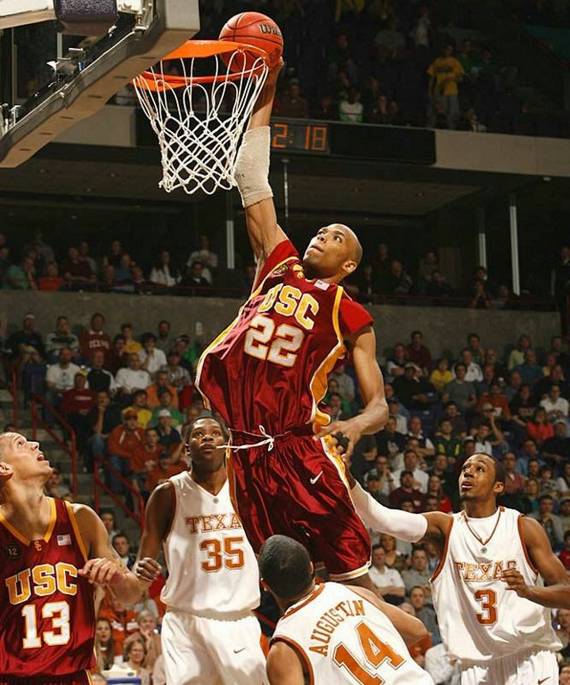
The basketball has undergone numerous changes since Dr. James Naismith first introduced the sport in 1891. Initially, basketballs were made of leather, but today’s basketballs are typically constructed from a composite of materials that optimize performance. The evolution of basketballs involves:
- Material Development: Modern basketballs are often made from synthetic materials that provide better grip and durability. This helps players maintain control during dribbling and shooting, regardless of the weather conditions.
- Design Innovations: Basketballs now feature improved bladder technology that enhances air retention and consistency in bounce. The design also considers the ball’s weight and size, adhering to regulations for professional play.
Additionally, the surface texture of basketballs has been refined to cater to both indoor and outdoor play, ensuring optimal performance in different environments.
High-Tech Sneakers: The Footwear Revolution
Basketball sneakers are not just fashion statements; they are integral to a player’s performance on the court. The science behind basketball shoes focuses on cushioning, support, and traction:
- Cushioning Technology: Brands like Nike and Adidas have developed proprietary cushioning systems that absorb impact and enhance comfort. Technologies like Nike Air or Boost cushioning provide players with the shock absorption they need during jumps and quick movements.
- Support Design: Ankle support is crucial in basketball to prevent injuries. High-top sneakers provide additional ankle support, while low-top designs aim for enhanced mobility. The choice of shoe height varies based on player preference and style of play.
- Traction Patterns: The outsoles of basketball shoes feature specific traction patterns designed for quick cuts and change of direction. This is essential for maintaining grip on the court, which can often be slippery from sweat.
Innovation in sneaker technology has led to a competitive market, with brands constantly pushing the boundaries of what footwear can do for athletes.
The Role of Performance Monitoring Technology

In recent years, technology has also permeated the way basketball performance is monitored and analyzed. Wearable tech and data analytics have become commonplace:
- Wearable Devices: Devices like smartwatches and fitness trackers allow players to monitor their heart rate, speed, and even shooting accuracy during practice and games. This data can be crucial for training and improving performance.
- Video Analysis: Coaches and teams use video playback technology to analyze gameplay. This helps in identifying strengths, weaknesses, and areas for improvement in both team and individual performance.
- Virtual Reality Training: Some teams have started using virtual reality to simulate game situations for training purposes. This technology helps players practice decision-making and improve their mental game.
The integration of these technologies has revolutionized how athletes train, ensuring they are always at the top of their game.
Protective Gear: Safety First
Safety in basketball has also seen advancements due to technology. Protective gear has evolved to minimize injuries:
- Advanced Padding: Elbow and knee pads are now designed with high-impact foam that absorbs shock. This makes them lighter and more comfortable, encouraging players to wear them without hindering their performance.
- Headgear Innovations: While less common, headgear designed to prevent concussions is becoming more popular, particularly among younger players. These helmets are lightweight and designed to minimize the forces transmitted to the head during impacts.
By prioritizing player safety through innovative designs, manufacturers aim to reduce the risk of injury while allowing players to perform at their best.
The Future of Basketball Equipment

As technology continues to advance, the future of basketball equipment looks promising. Some emerging trends include:
- Sustainability: Brands are increasingly focusing on sustainable materials for basketballs and shoes. This is part of a larger movement towards eco-friendly practices in sports.
- Smart Basketballs: The concept of smart basketballs equipped with sensors that provide real-time feedback on shooting accuracy and dribbling efficiency is being explored. This could revolutionize how players train and improve their skills.
- Customization: 3D printing technology is allowing for more customized gear, from shoes that perfectly fit the foot of an athlete to basketballs designed for specific playing styles.
As we look ahead, the intersection of science and technology with basketball equipment will undoubtedly lead to further enhancements, helping athletes reach new heights in performance and safety.