Japanese nude artistry is a profound expression of human emotion and cultural identity, intricately woven into the fabric of Japan’s artistic history. With its rich tradition dating back centuries, this genre not only reveals the beauty of the human form but also captures deep-rooted societal norms, philosophies, and spiritual beliefs. This article aims to delve into the rich symbolism found within Japanese nude artistry, particularly focusing on the portrayal of women in this context.
The Historical Context of Japanese Nude Art

Understanding the symbolism in Japanese nude artistry requires a glimpse into its historical context. The roots of nude art in Japan can be traced back to the Edo period (1603-1868), where ukiyo-e, or “pictures of the floating world,” flourished. Artists like Kitagawa Utamaro and Katsushika Hokusai depicted women’s beauty and sensuality, often infusing their works with poignant narratives and symbolism.
During this period, the human body was celebrated as a natural part of life, reflecting a harmonious relationship between humans and nature. The depictions of women, often portrayed in intimate and vulnerable poses, serve as a medium to explore themes of love, desire, and the transient nature of life. These artworks set the foundation for modern interpretations of nude art in Japan, where contemporary artists continue to draw inspiration from the past while adding their unique perspectives.
The Symbolism of the Female Form

In Japanese nude artistry, the female form is imbued with rich symbolism. Women are often portrayed not merely as subjects but as embodiments of various themes such as purity, fertility, and the cyclical nature of life. The representation of women in various poses can symbolize different emotional states, from vulnerability to empowerment.
For example, a reclining figure may evoke a sense of tranquility and surrender, symbolizing acceptance of one’s inner self. Conversely, an upright figure exuding confidence and strength can represent the notion of empowerment and resilience. This duality in representation speaks volumes about the complexities of femininity and the societal roles women occupy.
The Role of Nature in Art
Another crucial aspect of Japanese nude artistry is the connection to nature. Natural elements are often intertwined with the human form, emphasizing the belief that humans are an integral part of the natural world. Floral motifs, landscape backgrounds, and seasonal symbolism are frequently employed to accentuate the narrative of the artwork. For example, cherry blossoms may symbolize the transient beauty of life, mirroring the fleeting nature of youth and beauty.
This integration of nature not only enhances the visual appeal of the artwork but also adds layers of meaning. It serves as a reminder of the impermanence of life, echoing the Buddhist principles of acceptance and mindfulness. Thus, the portrayal of the female figure alongside nature promotes a holistic understanding of existence, celebrating both the body and the environment.
Modern Interpretations and Influences
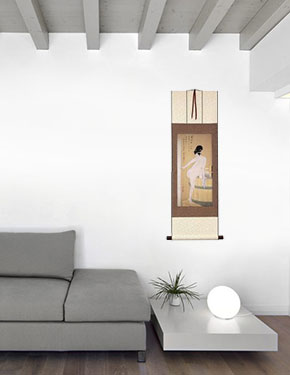
In contemporary Japanese nude artistry, there is a noticeable evolution in themes and techniques. Modern artists blend traditional elements with contemporary styles, creating a dialogue between the past and the present. This fusion often results in artworks that challenge societal norms and address issues such as identity, gender roles, and sexual freedom.
For instance, contemporary artists may utilize digital mediums to create striking visuals that can be easily accessed on various platforms, from digital galleries to social media. This accessibility allows for a broader audience to engage with Japanese nude artistry, fostering a greater appreciation for its cultural significance and artistic merit.
Choosing and Combining Japanese Nude Art as Wallpaper
For those looking to incorporate Japanese nude artistry into their visual space, choosing the right artwork can enhance the atmosphere of any room. Here are some tips for selecting and combining these pieces as wallpaper:
- Consider the Mood: Determine the ambiance you wish to create. Softer, more delicate pieces may evoke calmness, while bold, vibrant works can energize a space.
- Color Palette: Pay attention to the color schemes of the artwork. Choose pieces that complement or contrast with the existing colors in your space to create a harmonious look.
- Size and Scale: Larger artworks can serve as statement pieces, while smaller pieces can be grouped to create a gallery wall. Ensure the scale of the artwork is appropriate for the wall space you have.
- Mixing Styles: Don’t hesitate to mix different styles of Japanese nude art. Combining traditional pieces with modern interpretations can create an eclectic and dynamic space.
Inspiration and Cultural Significance

Ultimately, Japanese nude artistry transcends mere visual appeal. It serves as a conduit for exploring deep cultural narratives and philosophical concepts. As you embark on the journey of selecting artwork for your space, consider the stories and histories embedded within each piece. Engaging with this art form allows for a richer understanding of the cultural significance attributed to the female figure in Japan, fostering appreciation for the beauty and complexity of human expression.
By embracing Japanese nude artistry in your visual designs, you invite not just aesthetic pleasure but also a deeper connection to the cultural narratives they represent. Whether through wallpapers or digital backgrounds, each piece serves as a window into the past and a reflection of contemporary dialogues, ensuring that the tradition of Japanese nude artistry continues to inspire and resonate.