The jump shot is one of the most iconic and essential skills in basketball. Not only does it demonstrate the player’s technical prowess, but it also speaks volumes about their style and approach to the game. In this article, we will delve into the art of the jump shot, examining its mechanics, the factors that influence its success, and how it has evolved within the sport. Whether you are a player looking to refine your technique or a fan wanting to appreciate the beauty of the game, understanding the jump shot can enhance your basketball experience.
The Mechanics of a Perfect Jump Shot
At its core, a jump shot combines precision, timing, and technique. To achieve a perfect jump shot, players must adhere to several key mechanics:
- Stance and Balance: A solid foundation starts with a balanced stance. Players should stand shoulder-width apart with their knees slightly bent. This positioning provides stability and helps in generating power.
- Grip and Hand Placement: The shooting hand should be underneath the ball, while the guide hand supports it on the side. Proper grip ensures control during the shot.
- Elbow Alignment: Keeping the shooting elbow aligned with the basket is crucial for accuracy. A common mistake is allowing the elbow to flare out, which can lead to inconsistent shooting.
- Jump and Release: As players initiate their jump, they should extend their legs, bringing the ball upwards while simultaneously releasing it at the peak of their jump. The follow-through—where the shooting hand extends towards the basket—plays a significant role in ensuring accuracy.
Factors Influencing Shot Success
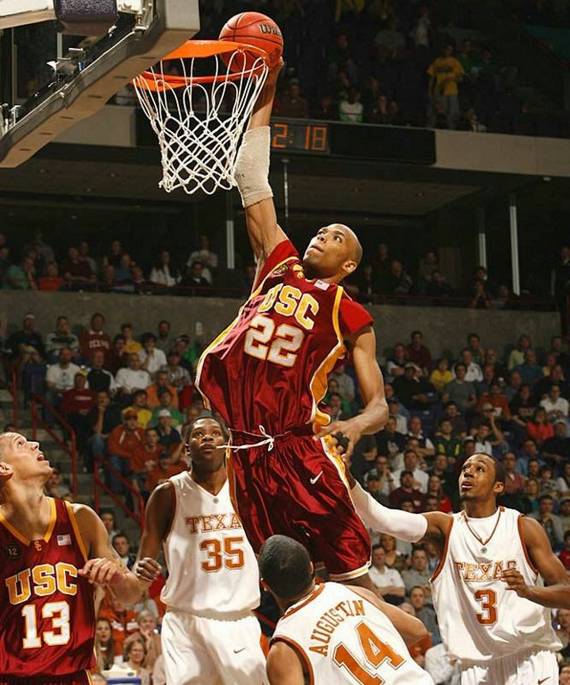
While mastering the mechanics is vital, several external factors can influence the success of a jump shot:
- Defensive Pressure: A defender’s presence can make or break a shot. Players must learn to create space and adjust their shooting techniques under pressure.
- Shooting Range: The distance from which a player shoots affects the mechanics of the shot. Players may need to adjust their jump height and shot angle for longer distances.
- Fatigue: As games progress, fatigue can impact shooting form. Conditioning and stamina play a crucial role in maintaining technique throughout the match.
Professional players often analyze their jump shots through video footage to identify areas needing improvement, making adjustments that cater to their unique playing styles.
The Evolution of the Jump Shot

The jump shot has undergone significant evolution since its introduction to basketball. Early on, shots were taken primarily from the ground, with little emphasis on jumping. However, as players like Michael Jordan and Kobe Bryant popularized the jump shot, it became a hallmark of athleticism and flair.
Today’s game features a blend of traditional jump shots and more advanced techniques, such as the three-point shot. Players are now trained to shoot from farther distances, making the jump shot not just a tool for scoring, but a strategic element of the game.
Styling Your Shot: Inspiration and Aesthetics
The aesthetic aspect of the jump shot can be compared to visual design. Just as a wallpaper sets the mood for a room, a player’s shooting style can influence the energy on the court. For instance, a player with a smooth, fluid jump shot can inspire confidence in their teammates, while a more aggressive style can energize the crowd.
When it comes to visual inspiration, consider the following elements:
- Color Palette: Bright team colors can energize the atmosphere, while more subdued tones can create a sense of calm and focus for players.
- Patterns and Textures: Just as wallpaper can feature intricate patterns or textures, players often have unique shooting styles that reflect their personality. Whether it’s a quick release or a high arc, these variations add diversity to the game.
- Symbolism: Sports teams often use logos and symbols to evoke certain emotions. Similarly, a player’s jump shot can symbolize their approach to the game—be it precision, aggression, or creativity.
Choosing the Right Environment for Practice
Practicing the jump shot requires the right environment. Players can enhance their skills on various platforms, from indoor courts to outdoor playgrounds. Each setting offers unique challenges:
- Indoor Courts: These typically provide a controlled environment with consistent lighting and floor conditions, making them ideal for focused practice.
- Outdoor Courts: Practicing outside can help players adapt to changing conditions, such as wind or uneven surfaces, which can affect shooting accuracy.
Regardless of the setting, consistent practice is key to mastering the jump shot. Players should focus on repetition while also analyzing their form and making necessary adjustments.
Tips for Aspiring Shooters
For those looking to improve their jump shot, consider the following tips:
- Film your shots to identify areas for improvement.
- Work on strength training to build the muscles needed for a powerful jump.
- Practice shooting from different angles and distances to become a versatile scorer.
- Engage in drills that simulate game scenarios to enhance shooting under pressure.
By understanding the intricacies of the jump shot and incorporating these tips, players can elevate their game and enjoy the beauty of basketball even more. Whether you’re a seasoned pro or just starting, the jump shot remains a fundamental skill that embodies the spirit of basketball.