Nie Huaisang, a pivotal character in the narrative of “Mo Dao Zu Shi” (Grandmaster of Demonic Cultivation), is often viewed through a lens of complexity. As the younger brother of Nie Mingjue, the leader of the Nie sect, Huaisang’s character navigates loyalty, cunning, and a subtle yet profound emotional depth. Understanding his role is crucial not just for grasping the overarching plot but also for appreciating the intricate web of relationships and motivations that drive the story forward.
Background and Initial Perception
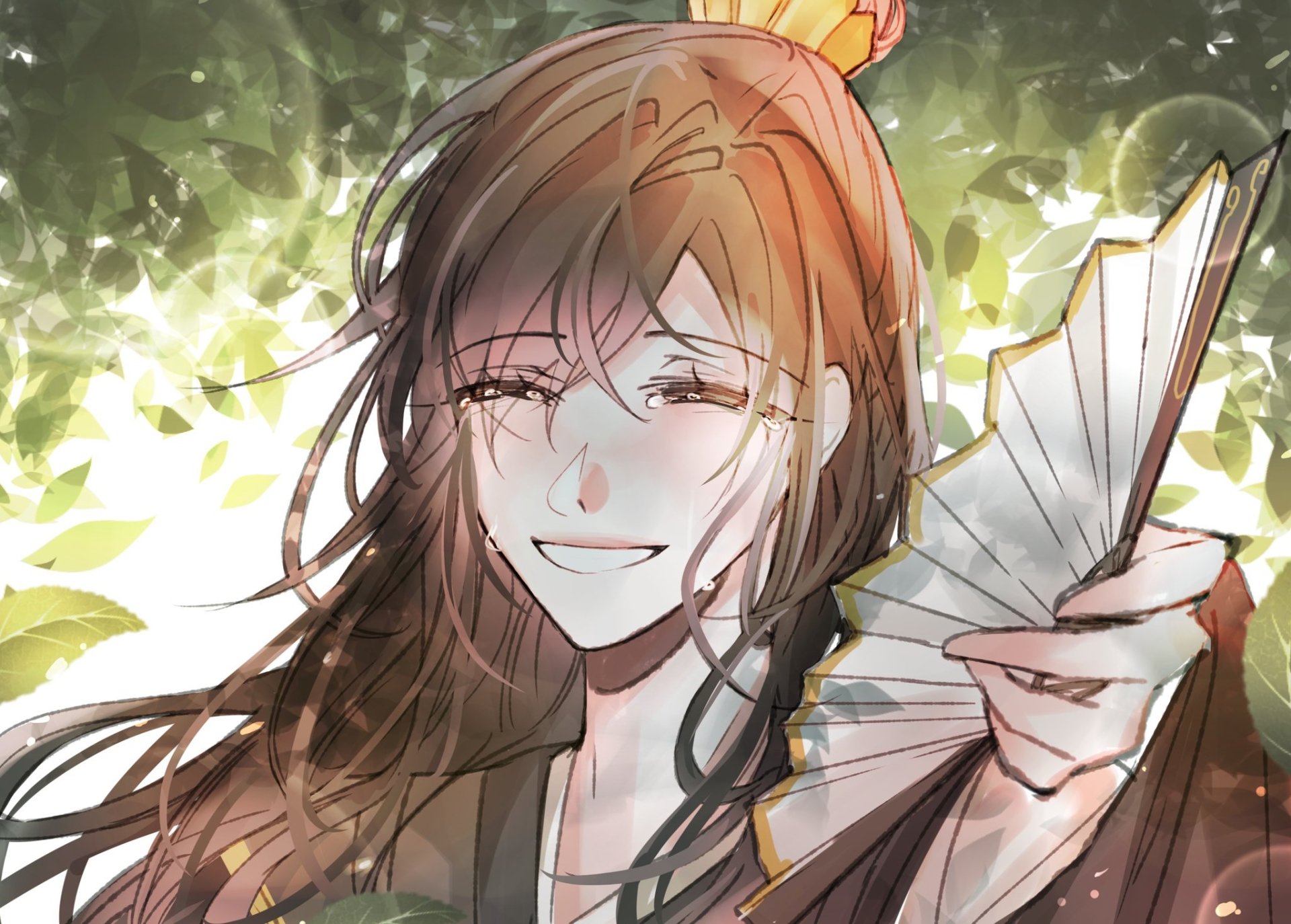
Initially introduced as a seemingly carefree and easy-going character, Nie Huaisang operates under a guise of lethargy and disinterest. His image as the ‘slacker’ of the Nie sect often leads others to underestimate his capabilities. However, this perception is a mere façade that Huaisang skillfully maintains. Underneath this external layer lies a sharp mind capable of intricate plans and deep understanding of human nature.
His relationship with his brother, Nie Mingjue, is particularly significant. As the elder brother is portrayed as a fierce and sometimes harsh leader, Huaisang embodies a contrasting approach to leadership and influence. This dynamic creates a rich background for exploring themes of expectations, family loyalty, and the pressure of living up to a legacy.
The Complexity of Huaisang’s Character
One of the most compelling aspects of Nie Huaisang’s character is his duality. He exhibits traits of both a strategist and a manipulator. Throughout the story, he often plays a behind-the-scenes role, subtly influencing events without directly intervening. This quality allows him to navigate the dangerous political landscape of the cultivation world while maintaining a veil of innocence.
His apparent nonchalance masks a deep-seated understanding of the motives and desires of those around him. Huaisang’s ability to read people and situations allows him to manipulate outcomes to his advantage. This skill is particularly evident during pivotal moments in the story where he orchestrates events that lead to significant shifts in power dynamics among the various sects.
Thematic Elements of Loyalty and Betrayal
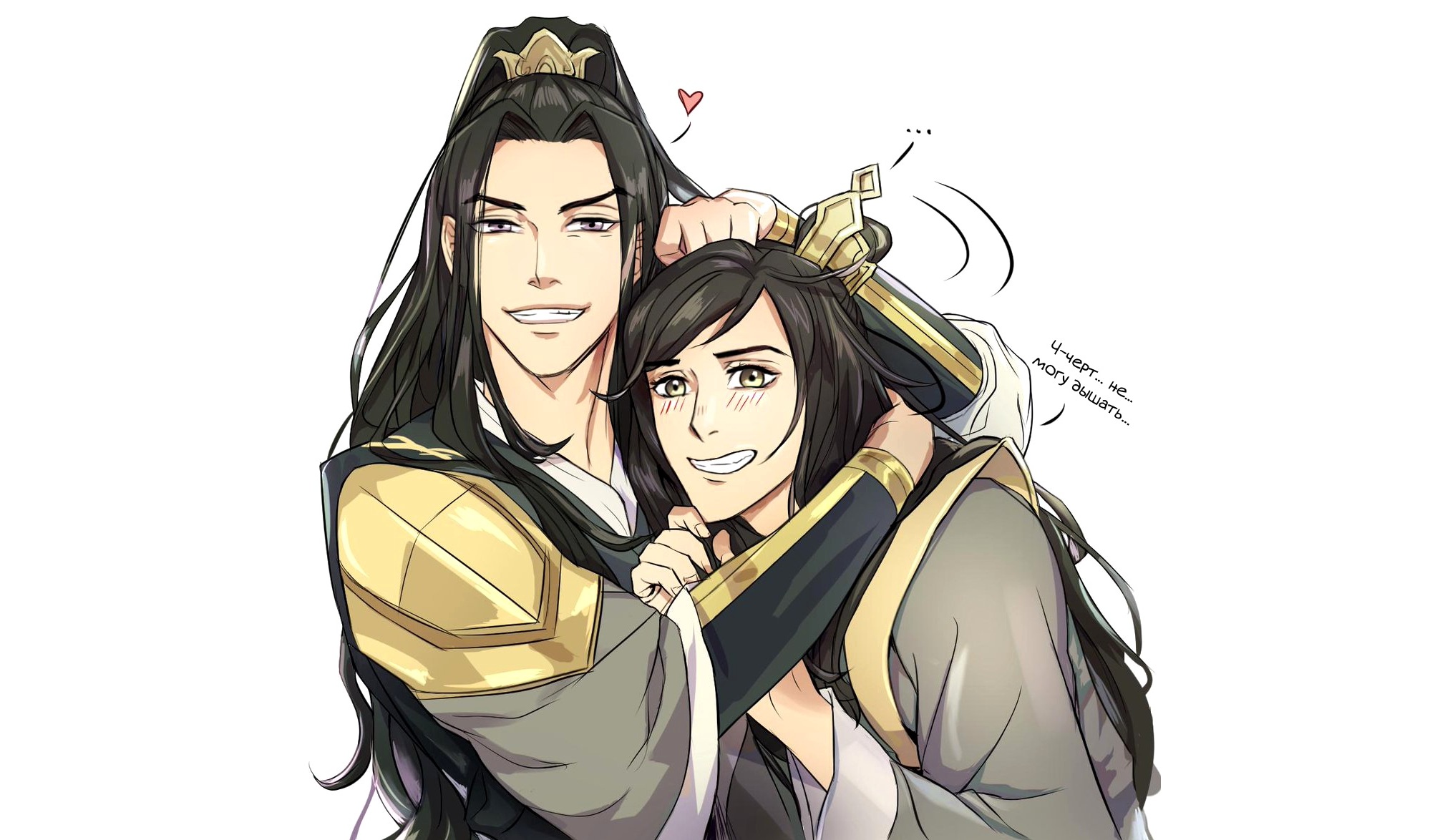
Nie Huaisang’s journey also dives into themes of loyalty and betrayal. Throughout the narrative, he demonstrates an unwavering loyalty to his brother and the Nie sect, albeit in a way that is not always straightforward. His actions, while sometimes self-serving, often reflect a deeper commitment to the ideals of the sect and a desire to protect it from external threats.
However, this loyalty is complicated by his willingness to engage in deception and manipulation. This duality raises questions about the nature of loyalty—what it means to be loyal in a world where survival often requires morally ambiguous choices. Huaisang’s character challenges the reader to consider the fine line between loyalty and betrayal, and how context shapes these concepts.
Narrative Significance and Character Growth
As the story progresses, Nie Huaisang’s character undergoes significant development. His initial portrayal as a passive observer transforms as he becomes more actively involved in crucial decisions. This growth is essential to the plot as it not only demonstrates his evolving role within the Nie sect but also highlights his maturation as an individual navigating complex moral landscapes.
In key moments of the story, Huaisang’s decisions reflect his transformation from a perceived slacker into a key player in the narrative. These developments resonate with the audience, as they showcase the importance of looking beyond surface appearances to understand true motivations and capabilities.
Interactions with Other Characters

Nie Huaisang’s interactions with other characters further enrich his development. His relationships with figures like Wei Wuxian and Lan Wangji illuminate various facets of his personality. For instance, his friendship with Wei Wuxian highlights a more vulnerable side, as Huaisang reveals his fears and insecurities. This connection underscores the importance of camaraderie and support in a world riddled with conflict.
Moreover, his rivalry and occasional collaboration with Lan Wangji add layers to his character. The contrasts between Huaisang’s more pragmatic approach and Lan Wangji’s idealism create a dynamic interplay that drives character growth on both sides. These relationships serve to deepen the audience’s understanding of Huaisang, illustrating how his character is shaped by the connections he forms with others.
Conclusion: The Legacy of Nie Huaisang
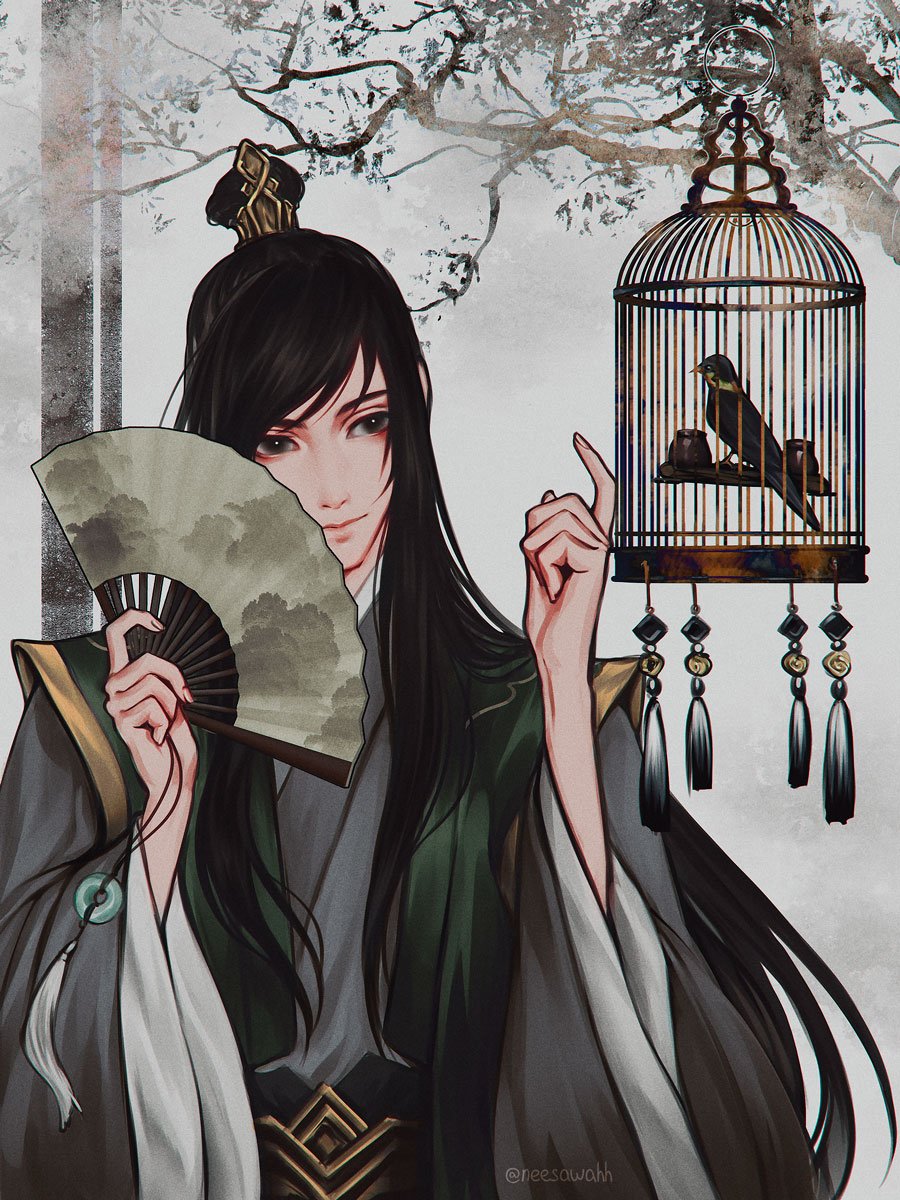
Ultimately, Nie Huaisang’s role in “Mo Dao Zu Shi” transcends that of a simple supporting character. His intricate development and the moral dilemmas he faces reflect the complexities of human nature and the struggles inherent in leadership and loyalty. As fans of the series explore his character, they are invited to engage with themes of trust, betrayal, and the often-blurred lines of morality in a world where survival is paramount. Huaisang stands as a testament to the idea that appearances can be deceiving, and true strength often lies beneath the surface.
For Nie Huaisang fans, his journey serves not only as a narrative arc but also as a rich source of inspiration and reflection on the complexities of life and relationships in a tumultuous world.