Water reflection photography is an enchanting genre that captures the beauty of nature and the intricate interplay of light and color. When done correctly, these images can evoke emotions and transport viewers to serene landscapes. Whether you’re a beginner or an experienced photographer, understanding how to harness light and color can significantly enhance your water reflection shots. In this article, we will explore various techniques, tips, and inspirations to help you master this captivating art form.
Understanding the Basics of Water Reflection Photography

The essence of water reflection photography lies in its ability to mirror the surroundings, creating a symmetrical and often surreal image. The key elements to focus on are:
- Water Surface: Calm water produces clearer reflections, while ripples can add an artistic touch.
- Lighting: Natural light plays a crucial role in determining the mood and appearance of your shots.
- Composition: The arrangement of elements within your frame can enhance or detract from the overall impact.
Understanding these basic principles will set a solid foundation for your photography endeavors.
Utilizing Natural Light for Stunning Effects
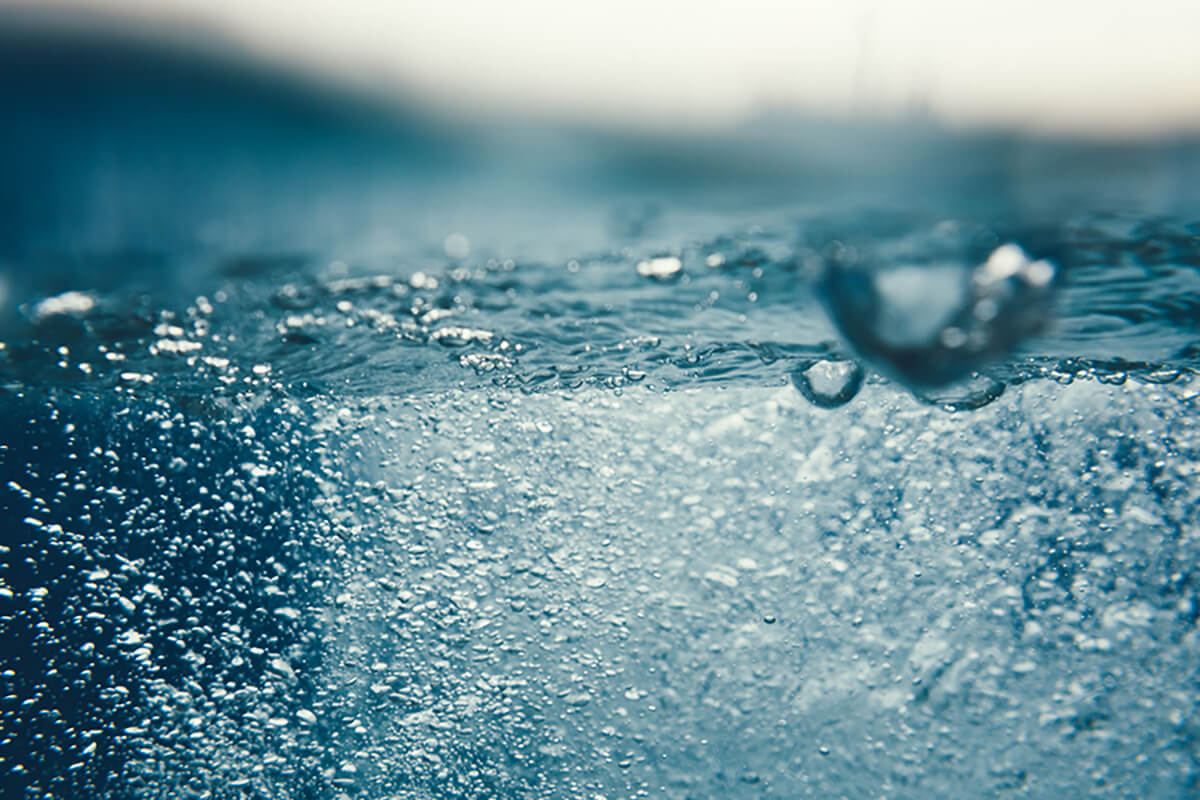
The time of day significantly affects the quality of light available for your shots. Early mornings and late afternoons, often referred to as the golden hours, provide soft, warm light that enhances colors and reduces harsh shadows. Here are some tips to make the most of natural light:
- Experiment with Angles: Shoot with the sun at your back to illuminate the scene, or face the sun for dramatic silhouettes.
- Overcast Days: Cloudy skies can act as a giant diffuser, softening shadows and creating even lighting across the water surface.
- Reflection Techniques: To capture dynamic reflections, consider shooting directly into the light, which can produce interesting effects on the water surface.
By understanding the nuances of natural light, you can create images that resonate with viewers.
Playing with Colors to Create Mood

Colors evoke emotions and convey messages, making them a vital aspect of your photography. Water reflections often showcase vibrant colors from the sky, flora, and surrounding landscape. Here’s how to harness colors effectively:
- Golden Hour Colors: The warm hues during sunrise and sunset can create magical images full of life.
- Autumn Foliage: Capturing reflections of colorful fall leaves can add a dramatic and warm touch to your photos.
- Color Contrasts: Look for contrasting colors—like blue water against orange or yellow skies—to create striking images.
By thoughtfully incorporating color theory into your shots, you can evoke specific feelings and enhance the storytelling aspect of your photography.
Incorporating Composition Techniques
A strong composition can elevate your water reflection photography from ordinary to extraordinary. Consider the following techniques to enhance your images:
- Rule of Thirds: Position key elements of the scene along the lines or intersections of the grid to create balance.
- Leading Lines: Use natural lines, such as shorelines or tree branches, to lead the viewer’s eye into the composition.
- Symmetry: Make use of symmetrical reflections to create a sense of harmony and tranquility in your images.
Effective composition makes your photographs not only more appealing but also more dynamic and engaging.
Creating Depth and Dimension
Adding depth to your water reflection shots can transform a flat image into something captivating. Here are methods to create depth:
- Foreground Interest: Include elements in the foreground, like rocks or plants, to add layers to your composition.
- Different Distances: Capture reflections from varying distances to create a sense of scale and depth.
- Use of Leading Lines: Incorporate lines that guide the viewer through the scene, enhancing the three-dimensional feel.
These techniques will help create a more immersive experience for your viewers.
Post-Processing Tips for Enhancement
After capturing your images, a little post-processing can go a long way in enhancing your water reflection photography. Here are some useful editing tips:
- Adjusting Contrast: Increasing contrast can help emphasize the differences between the water and the reflections.
- Saturation and Vibrance: Boosting colors can make your images pop, but be cautious not to overdo it.
- Sharpening Details: Applying subtle sharpening to key areas can draw attention to the most important aspects of your photo.
Post-processing allows you to fine-tune your images and ensure they reflect your artistic vision.
Finding Inspiration for Future Projects

As you delve deeper into water reflection photography, seeking inspiration can spark your creativity. Here are a few ideas to consider:
- Nature Walks: Explore local parks, lakes, or rivers and observe the changing light and weather patterns.
- Online Communities: Join photography forums or social media groups to share your work and learn from others.
- Photography Books: Invest in books or magazines dedicated to landscape photography for fresh ideas and techniques.
Inspiration can be found everywhere; it’s about being open to new ideas and experiences.
By harnessing the principles of light, color, and composition, you can create stunning water reflection photography that captivates and inspires. Whether you’re capturing serene lakes at dawn or the bustling reflections of a city skyline at dusk, the possibilities are endless. Embrace your creativity, experiment with techniques, and let your passion for photography shine through your work.