Water reflection photography is an enchanting art form that captures the serene beauty of nature by showcasing reflections on water surfaces. Whether it’s a tranquil lake, a gentle river, or a serene ocean, reflections can transform ordinary landscapes into ethereal compositions. This article delves into the techniques, inspirations, and the emotional responses evoked by water reflection photography, making it a captivating topic for both photographers and enthusiasts alike.
Understanding Water Reflection Photography

Water reflection photography involves capturing the mirrored images of objects, landscapes, or skies in various bodies of water. This technique highlights not just the subject itself but also the surrounding environment, creating a harmonious interplay between reality and its reflection. The art lies in how photographers manipulate light, angles, and timing to create compelling images.
One of the fundamental aspects of water reflection photography is the quality of the water surface. Calm water reflects images sharply and clearly, while ripples can add an element of abstraction and movement, evoking different emotions. Understanding the characteristics of the water body you are working with is crucial to achieving the desired effect.
Techniques for Capturing Stunning Reflections

To excel in water reflection photography, several techniques can be employed:
- Timing and Lighting: The golden hour, shortly after sunrise or before sunset, provides soft, warm lighting that enhances colors and reduces harsh shadows. This time of day also offers calm waters ideal for reflections.
- Composition: Use the rule of thirds to place your subjects strategically within the frame. Incorporate leading lines or natural frames to draw the viewer’s eye toward the reflection.
- Perspective: Get low to the ground or use a drone to capture unique angles. Sometimes the most captivating reflections can be found at unexpected viewpoints.
- Post-Processing: Editing software can help to enhance colors, contrast, and sharpness in your images. Adjusting brightness and saturation can make the reflections pop.
Choosing the Right Location
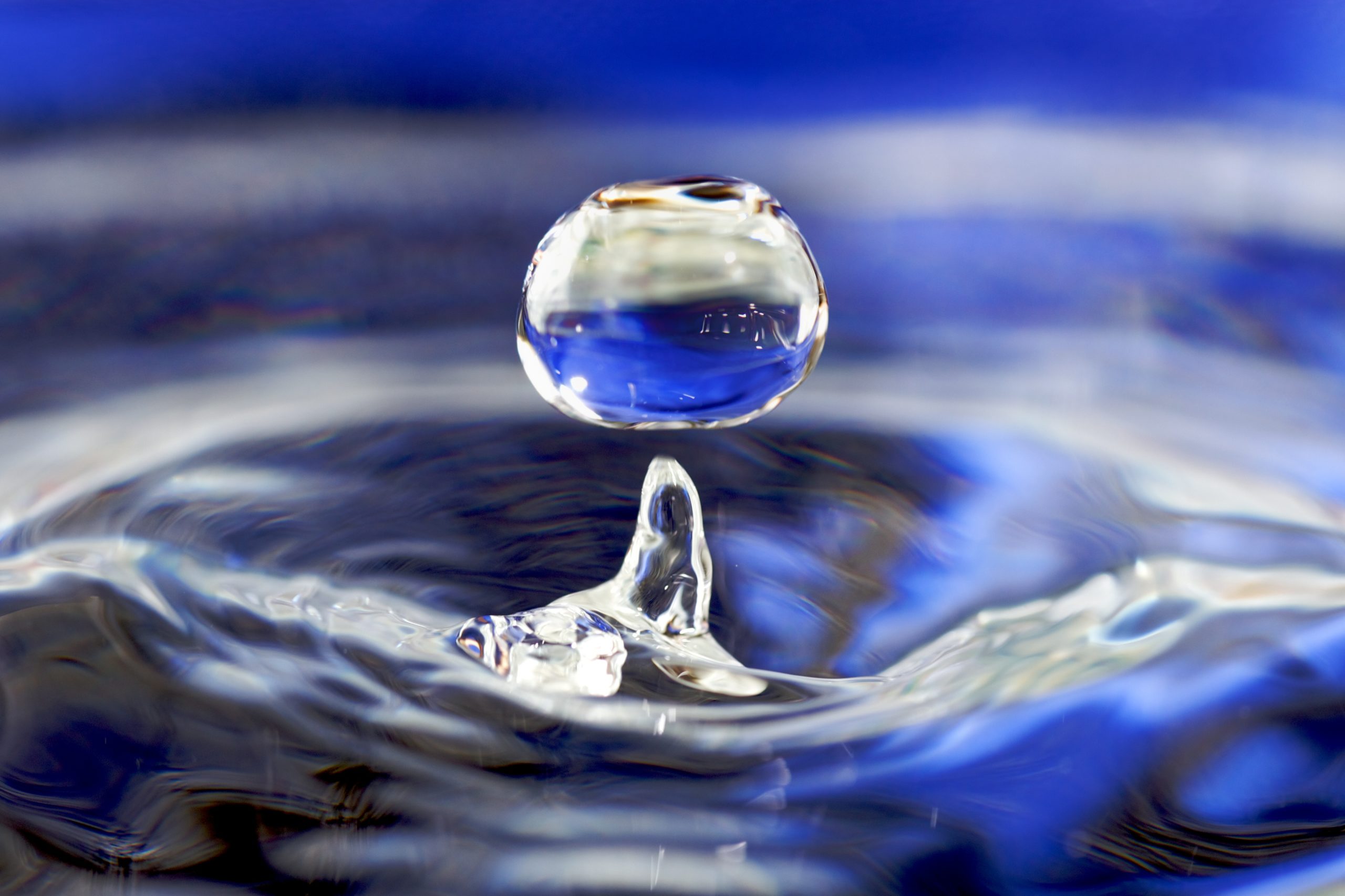
Finding the perfect location for water reflection photography is integral to the success of your images. Here are some tips for selecting an ideal spot:
- Natural Bodies of Water: Lakes, ponds, and still rivers are often the best places to find mirror-like surfaces. Visit these locations during calm weather for optimal reflection opportunities.
- Urban Reflections: Cities offer unique opportunities for reflection photography, particularly when buildings are mirrored in puddles or on the surfaces of lakes and rivers. Look for interesting architecture and vibrant cityscapes.
- Seasonal Changes: Different seasons bring varying moods to landscapes. Spring blossoms, autumn foliage, and winter ice can all enhance the beauty of reflections.
Emotional Impact and Themes
Water reflection photography can evoke a range of emotions, from tranquility to introspection. The serene imagery invites viewers to pause and reflect on their own experiences. Common themes in reflection photography include:
- Peacefulness: Calm waters can create an atmosphere of serenity, ideal for wallpapers designed to inspire relaxation and calmness.
- Contrast: The juxtaposition of reality and reflection can symbolize duality, making it an interesting theme for deeper storytelling in visual art.
- Connection with Nature: Reflections often highlight the beauty of natural landscapes, fostering a connection between humanity and nature.
Wallpaper and Design Inspiration

Water reflection photography provides a wealth of inspiration for wallpaper and design projects. When selecting images for wallpapers, consider the following factors:
- Color Palette: Choose images that complement the colors of the space. Soft blues and greens evoke calm, while vibrant sunsets can bring warmth and energy.
- Resolution: Ensure that the images you select are high-resolution to maintain quality on various devices, from desktop screens to mobile devices.
- Theme Consistency: Maintain a cohesive theme in your design, whether it be tranquility, urban life, or natural beauty.
Tips for Displaying Water Reflection Photography
When it comes to displaying water reflection photography, the presentation can enhance the overall impact of the image. Here are some tips:
- Framing: Use simple frames to keep the focus on the artwork. Consider using glass to protect the image while enhancing its visual appeal.
- Lighting: Proper lighting can make a significant difference. Use natural light where possible, or consider spotlights to highlight certain features of the image.
- Placement: Consider the flow of the room and place images where they can draw attention without being overwhelming.
In summary, water reflection photography is not just about capturing beautiful images; it’s about evoking feelings and creating connections with the viewer. Whether you’re a photographer seeking techniques to refine your craft or a designer looking for inspiring visuals, the art of capturing water reflections offers endless possibilities to explore.